
What Does a Song Key Detector Show?
A song key detector estimates the tonal center and major or minor mode of an audio file. It also converts the result to Camelot notation for harmonic mixing. BPM, energy, danceability, and happiness remain supporting clues—not substitutes for listening when a track changes key or has ambiguous harmony.
Estimate Key and Mode
Upload local audio and get a practical major or minor key estimate without opening a full DAW or checking every chord by ear.
Read the Camelot Code
Use DJ-friendly Camelot notation to shortlist compatible keys before planning a harmonic transition or mashup.
Check Several Tracks
Analyze up to 5 files in one queue when organizing set candidates, samples, acapellas, demos, or reference tracks.
Analyze Your Own Audio
Check released songs, unreleased demos, live recordings, loops, and edits that may not exist in a public music database.
Keep Files in the Browser
Process audio locally in your browser for quick checks before moving results into DJ software, a DAW, or library notes.
Use Supporting Music Data
Refer to BPM, energy, danceability, and happiness after checking the key when you need more context for a set or production folder.
How to Find a Song's Key
Upload local audio, wait for browser analysis, and read the key result before the supporting metrics.
Upload up to 5 tracks
Choose browser-playable audio files from your device or drag them into the upload area.
Let each file analyze
The queue processes songs sequentially, and each row updates as soon as its estimate is ready.
Read key and Camelot first
Start with the detected key and Camelot code, then use BPM and music-feel values as supporting references.
Use a Key Detector Before You Mix, Remix, or Arrange
A useful song key finder should make the tonal result easy to act on. Standard key names support music work, Camelot codes support DJ planning, and the extra metrics help you compare tracks after harmony comes first.
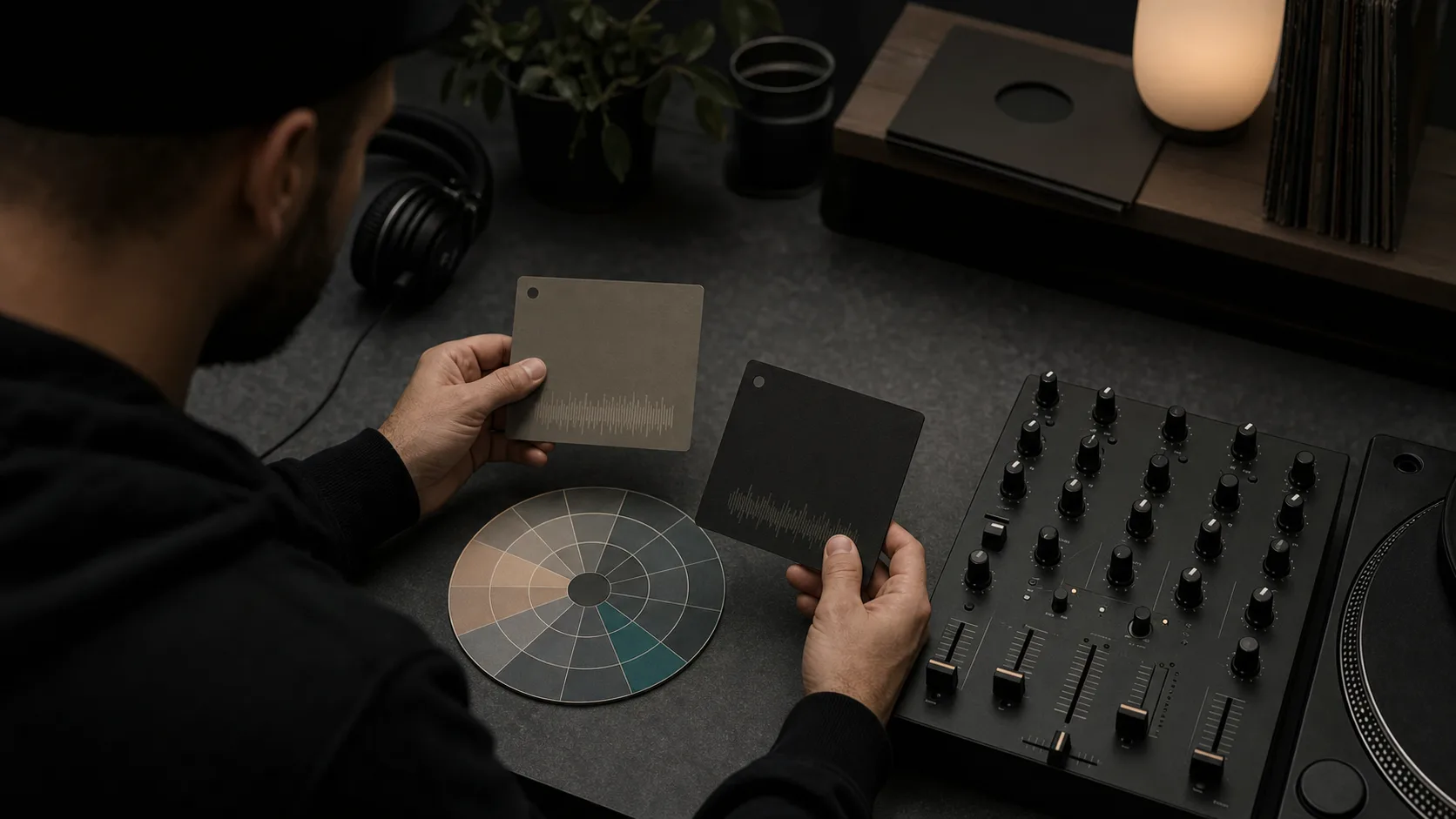
Plan Harmonic Transitions
Compare musical key and Camelot notation before placing two songs together. Use the estimate to narrow your options, then confirm the transition by ear.
Detect Song Key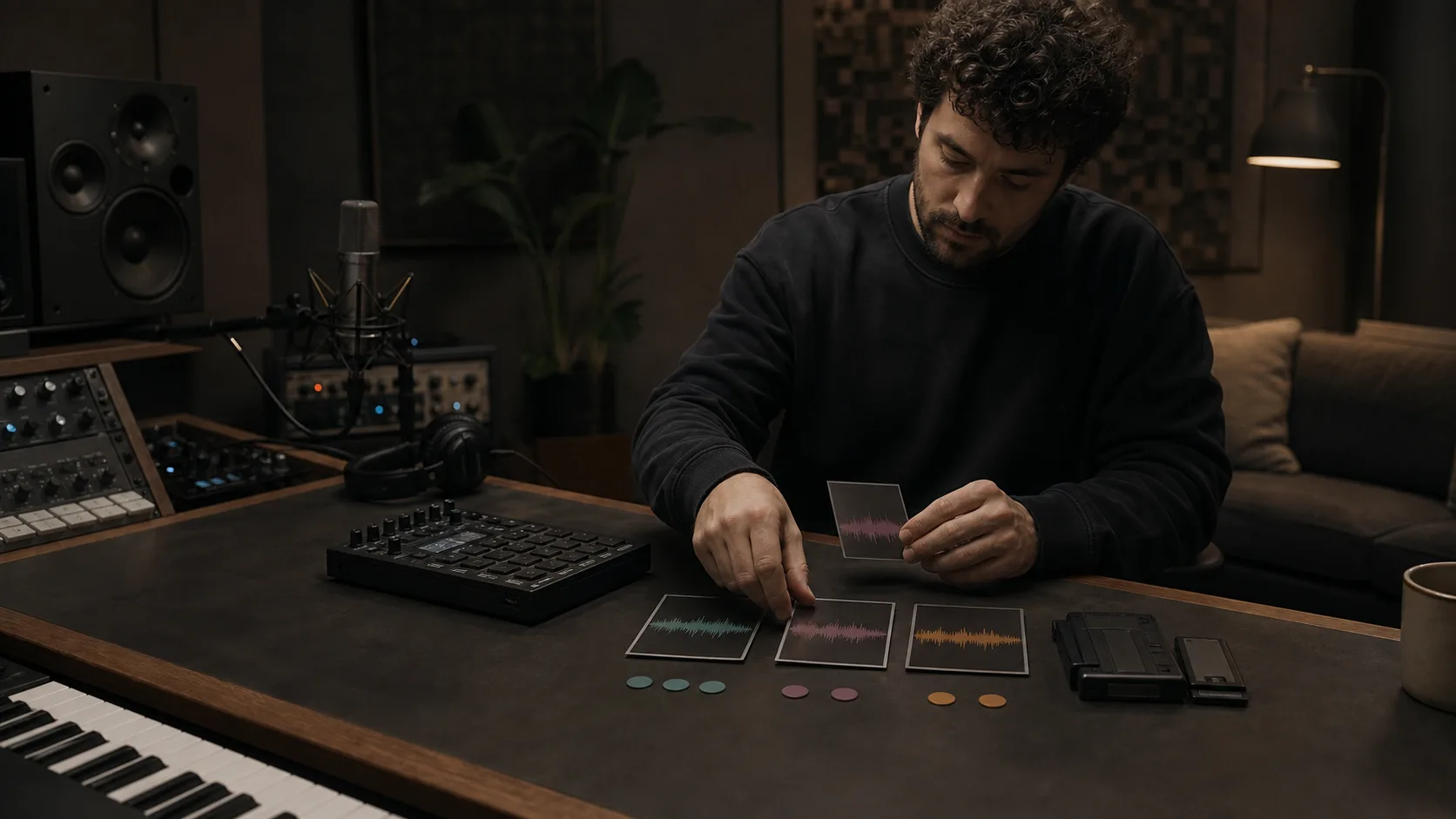
Match Samples, Vocals, and Beats
Check the estimated key before combining a sample, acapella, loop, or beat. This gives producers a faster starting point for transposition and arrangement tests.
Check Audio Keys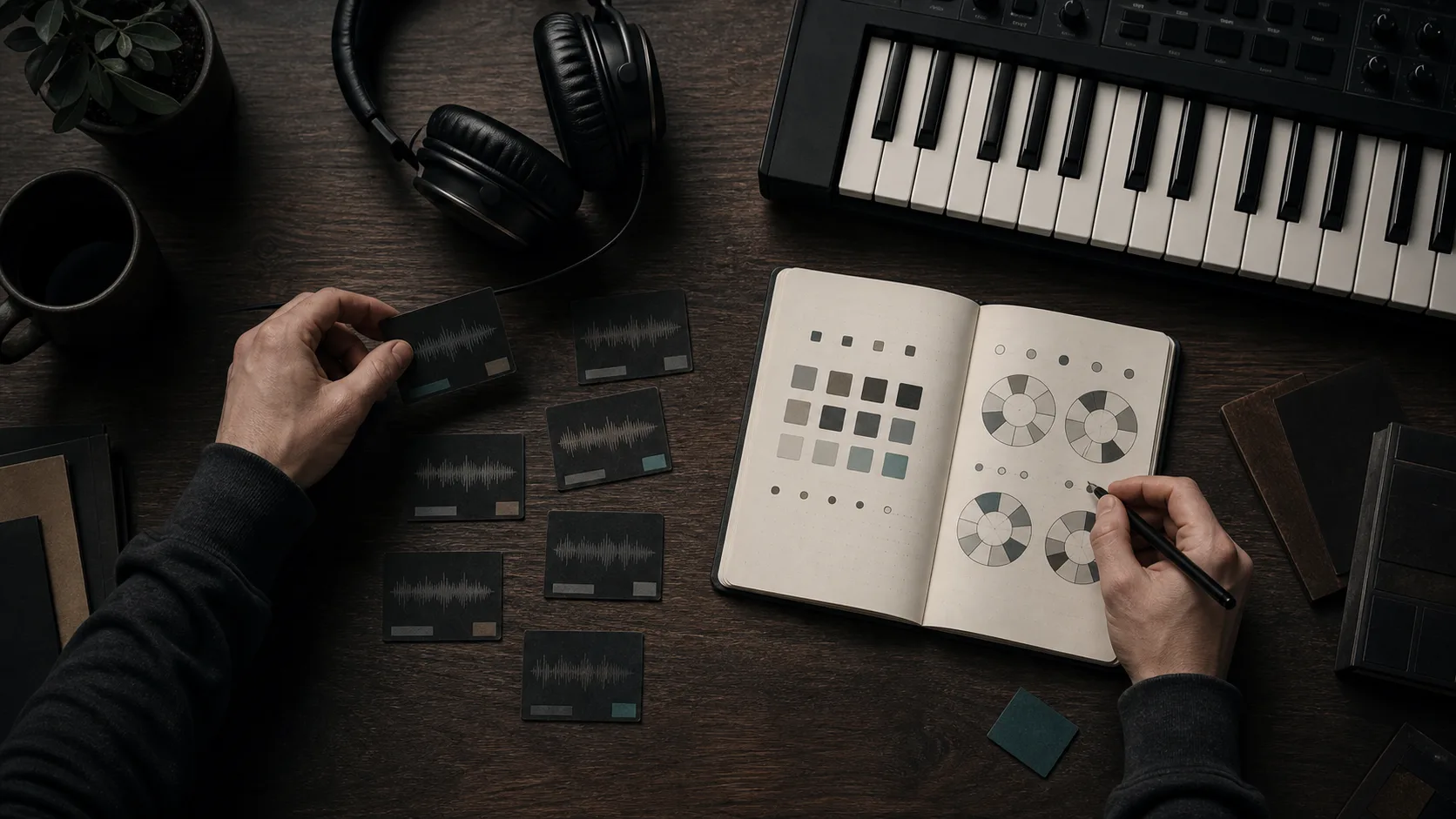
Build Clear Track Notes
Record key, Camelot, and BPM beside demos or references so you can return to useful tracks without repeating the same first-pass analysis.
Analyze Your TracksWho Uses a Song Key Finder?
A song key finder helps people turn an audio file into a practical harmony reference before they mix, produce, rehearse, transpose, or sing.

DJs
Shortlist compatible tracks for harmonic transitions and organize set folders with standard key and Camelot references.

Producers
Compare loops, samples, acapellas, beats, and references before testing transposition or building a remix arrangement.
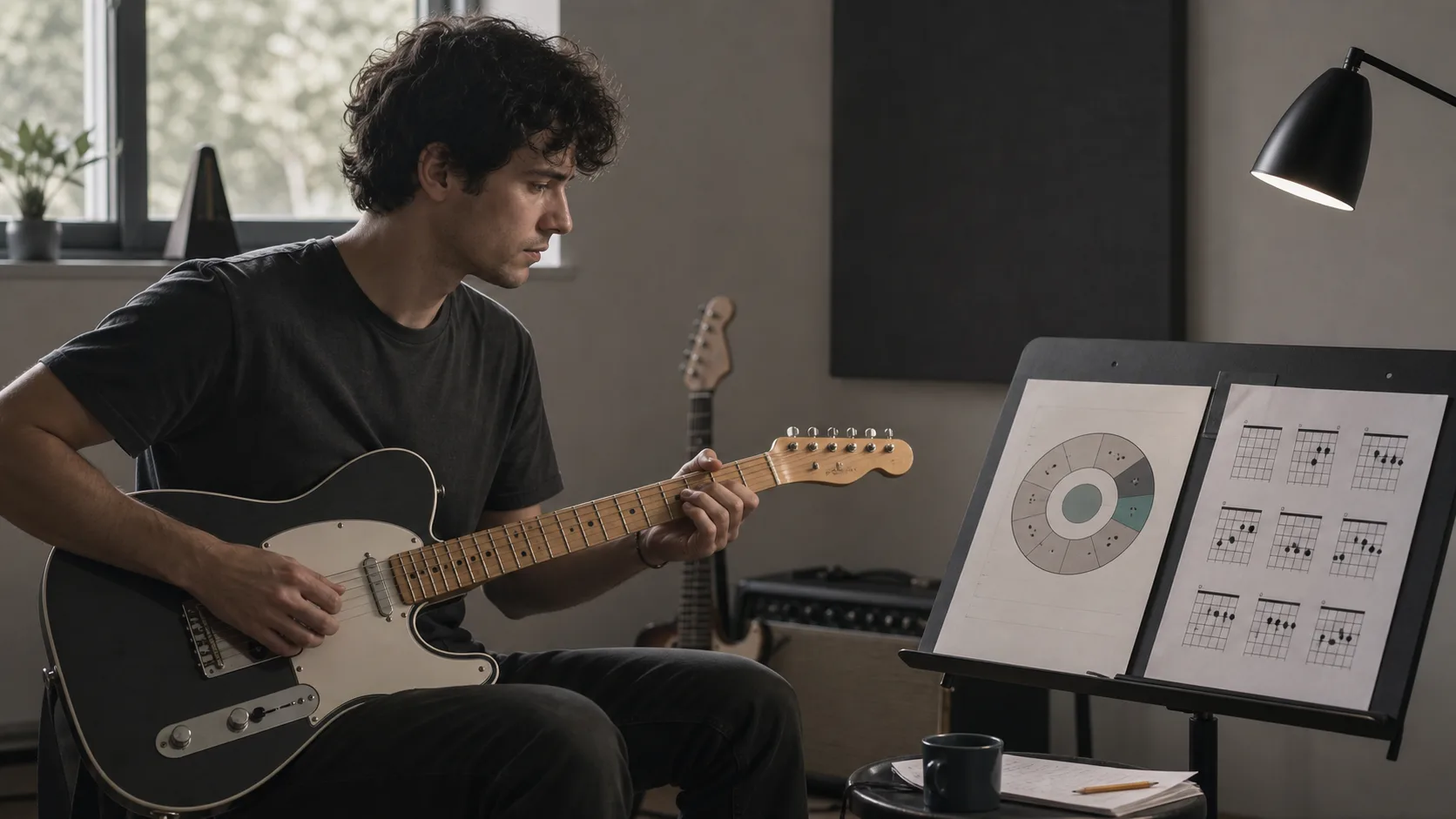
Musicians
Find a starting key for cover practice, rehearsal notes, ear training, chord work, and transposition decisions.

Singers and Vocalists
Check the original key before choosing a backing track, planning a cover, or deciding whether a song may need transposition.
Song Key Detector FAQ
Practical answers about automatic musical key estimates and Camelot notation.
Upload up to 5 songs and turn each file into a practical key and Camelot reference.